A Guide for Oracle HCM Consultants
Let’s face it: workplace conflicts are as inevitable as quarterly updates in Oracle Cloud HCM. Whether it’s a clash of egos in a project meeting or a misunderstanding over task ownership, conflicts can disrupt harmony, slow down progress, and even sour relationships. But here’s the good news: handled well, conflicts can become stepping stones to stronger teams and better solutions.
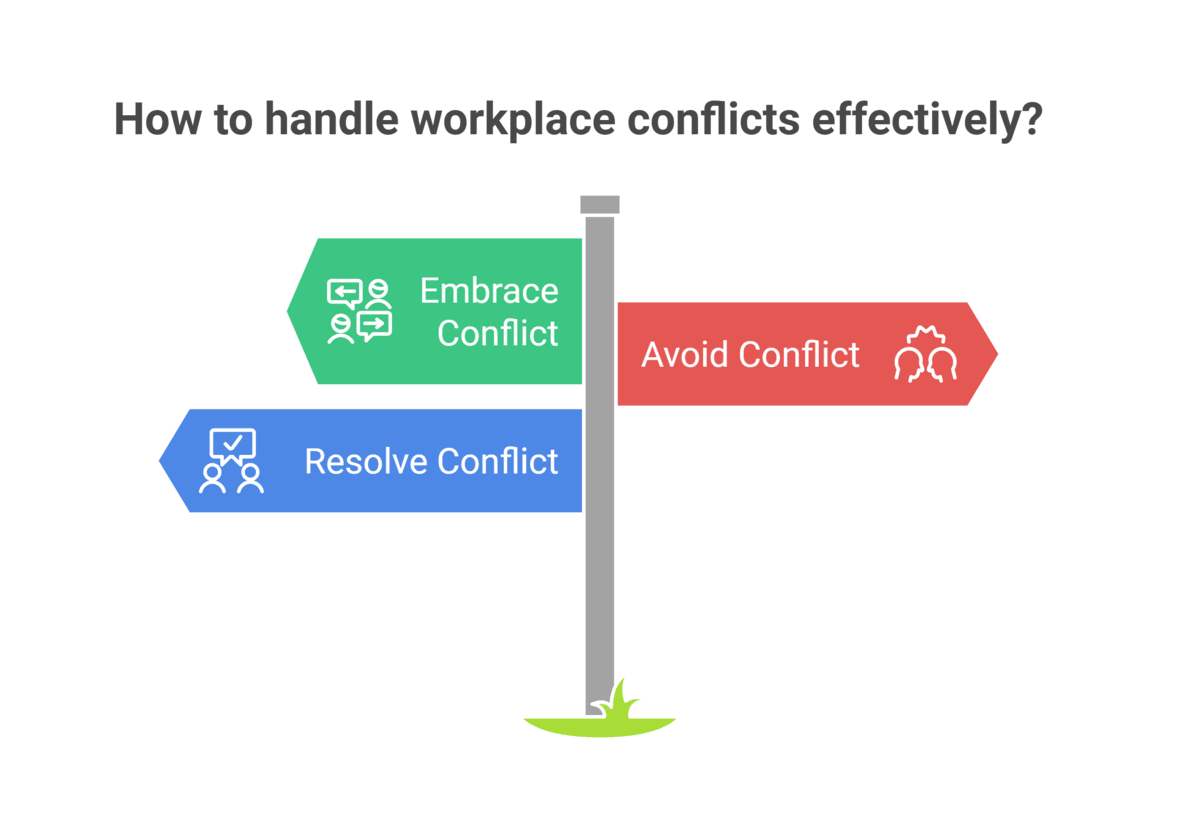
In this article, we’ll dive into practical, relatable strategies tailored specifically for Oracle HCM consultants to handle workplace conflicts like seasoned pros. We’ll also sprinkle in some engaging scenarios and a self-assessment quiz to help you sharpen your conflict management skills.
Why Workplace Conflicts Happen
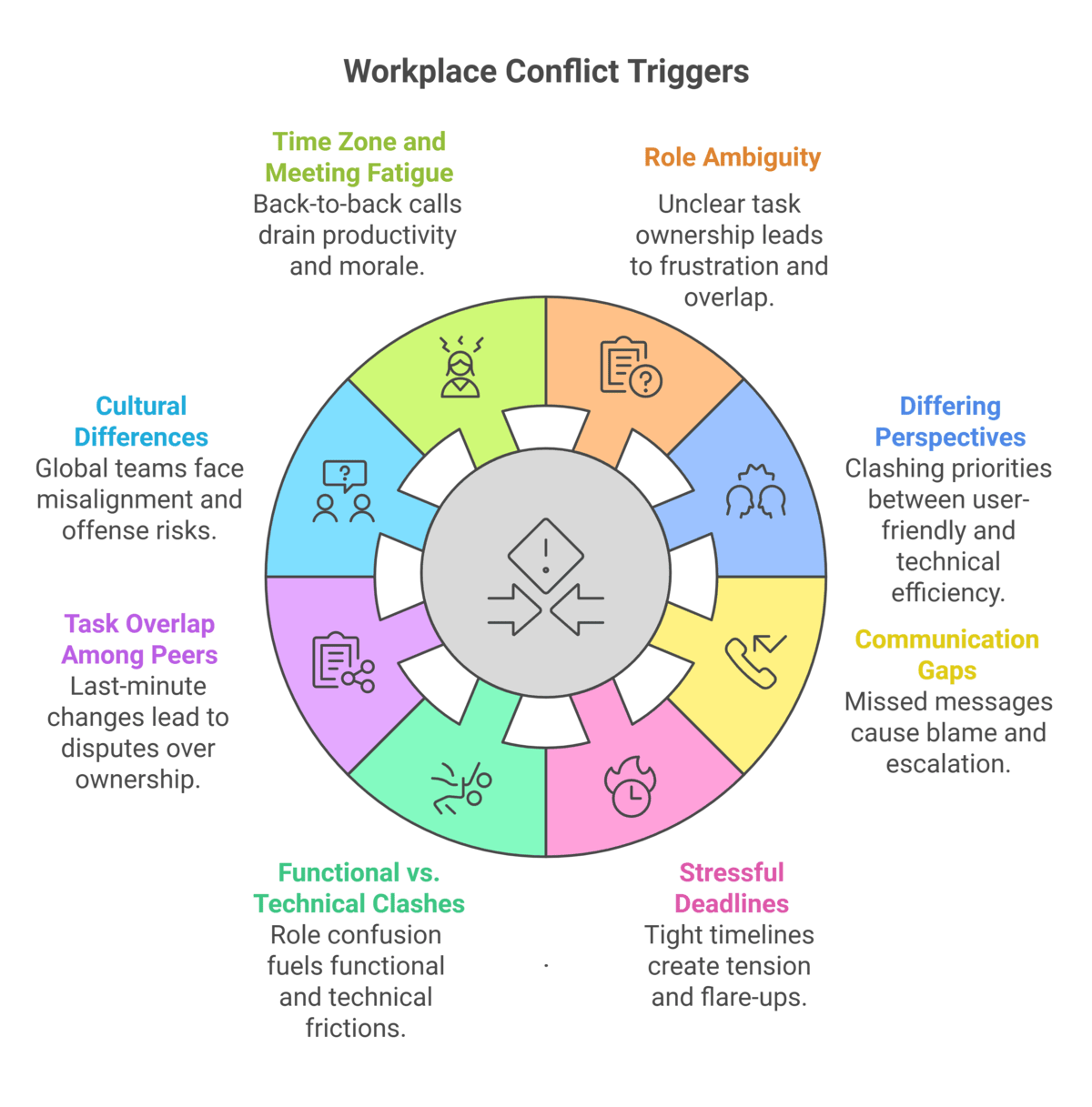
Common Triggers:
- Role Ambiguity: Imagine you and your colleague are both working on implementing Oracle Fusion’s Talent Management module. The task ownership isn’t clear, and both of you start stepping on each other’s toes. Cue frustration.
- Differing Perspectives: You’re focused on user-friendly configurations, while the technical consultant insists on backend efficiencies. Neither is wrong, but the clash is real.
- Communication Gaps: Missed emails or unclear instructions during a system upgrade can easily escalate into finger-pointing.
- Stressful Deadlines: Delivering a flawless HCM report for payroll processing under tight timelines? Tempers can flare. Conflicts can also arise between employees and managers due to unrealistic deadlines, high expectations, or constant changes in project milestones. For instance, a manager might accept last-minute changes from the business without consulting the consultants, creating a ripple effect of stress and miscommunication.
- Functional vs. Technical Clashes: Lack of clarity on roles and responsibilities can create friction between functional and technical consultants. Imagine a scenario where no one is sure who should handle the data load discussions with the client, prepare files, or validate them. Without clear segregation of duties, frustration builds quickly.
- Task Overlap Among Peers: Common configuration tasks that affect multiple team members’ work can lead to disputes. For example, last-minute configurations with no clarity on ownership can spark conflicts, as everyone scrambles to meet deadlines without stepping on each other’s toes. A typical example is security role configuration: should it be handled by the Core HR lead, the individual module lead for their respective module, or should a new consultant be assigned specifically for this task? Without clarity, such decisions can delay progress and strain team dynamics.
- Cultural Differences: In a global team, varied communication styles or work ethics can unintentionally offend. Additionally, conflicts often arise between onsite and offshore team members due to issues with work delegation, unclear requirements, or managing multiple calls with both the lead and clients. These challenges can create frustration and misalignment, impacting overall project efficiency.
- Time Zone and Meeting Fatigue: Constantly being asked to join multiple meetings, especially in projects with significant time zone differences, can lead to burnout and frustration. Team members may feel their productivity is drained as they struggle to find time for actual work amidst back-to-back calls.
- Micromanagement: Another common conflict arises when managers micromanage their team members. While the manager might seek constant updates and visibility, the consultant may feel stifled and unable to focus on their work effectively, leading to tension and reduced morale.
- Hybrid Work Model Challenges: The hybrid or fully remote work model can create conflicts due to miscommunication, lack of trust, or unequal participation. Some team members may feel excluded or undervalued if they’re remote, while others in-office might take on more visible responsibilities, creating potential friction within the team.
Storytime: Conflict in Action
The Tale of Anjali and Rajesh
Anjali, an Oracle HCM consultant, was leading a project to implement Oracle Grow for a multinational company. Rajesh, her colleague, was responsible for data migration. During a team meeting, Anjali mentioned a delay in delivering a configuration file because she needed the migrated data for testing. Rajesh felt accused and defensive, saying, “I’m doing my job. Maybe you should plan better.” The tension was palpable.
Anjali took a deep breath and asked Rajesh to join her for a coffee break after the meeting. During the break, she explained her challenges and acknowledged Rajesh’s efforts, saying, “I know you’re juggling a lot. I value your work, but I’m feeling stuck because I can’t proceed without the data.” Rajesh opened up about his own struggles and agreed to prioritize the migration task. By addressing the issue calmly and privately, they resolved the conflict and even strengthened their professional bond.
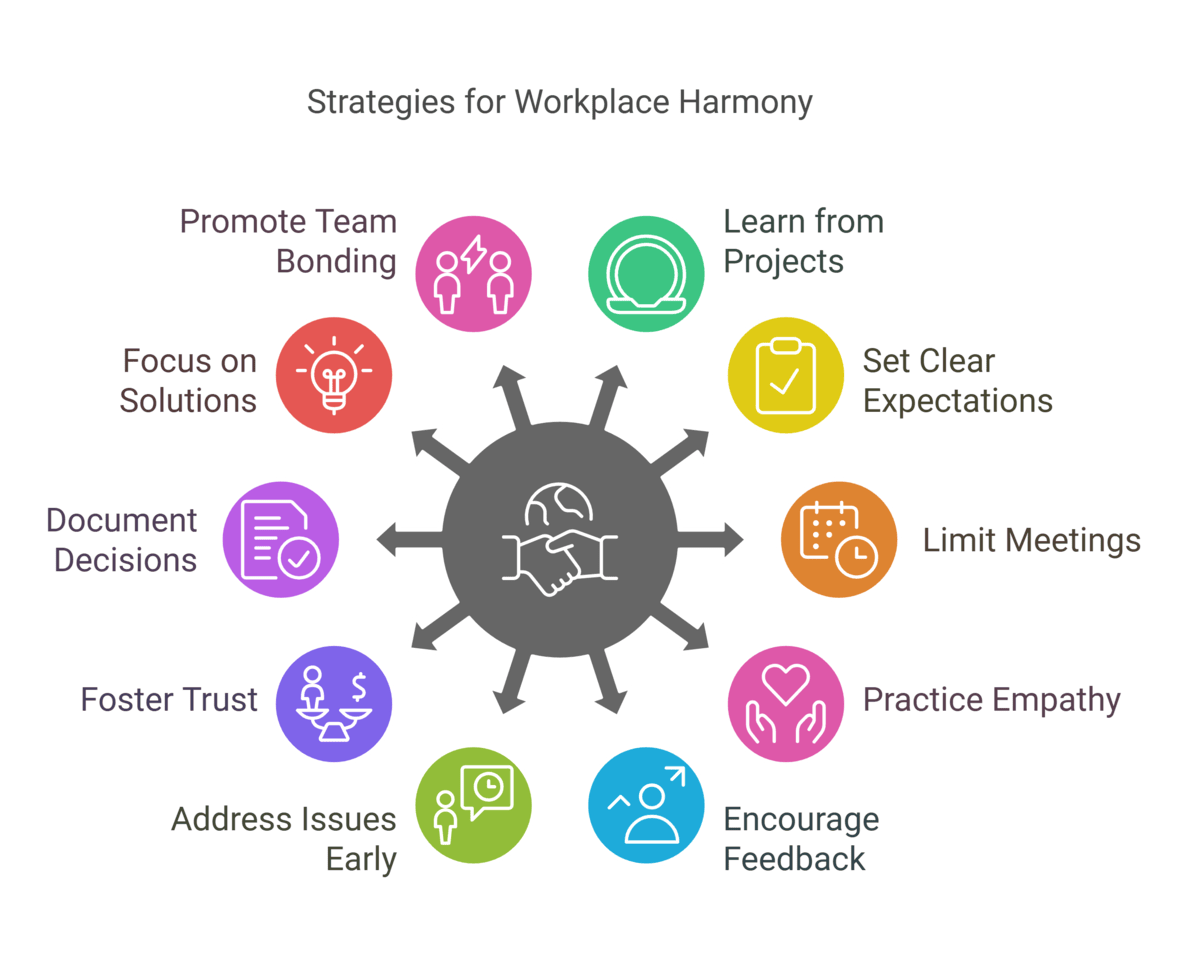
Practical Tips for Managing and Minimizing Conflicts
- Learn from Previous Projects: Reflect on past conflicts and identify strategies that worked well. Share these insights with your colleagues and avoid repeating mistakes. Building collective wisdom can significantly reduce recurring issues.
- Set Clear Expectations from the Start: Define roles and responsibilities during the project kick-off phase. For instance, determine ownership for tasks like security role configurations or common project deliverables to reduce ambiguity.
- Limit Meetings and Prioritize Quality Communication: Consolidate calls by setting agendas and involving only necessary participants. For projects with time zone gaps, propose asynchronous updates to minimize fatigue and free up time for focused work.
- Practice Empathy and Avoid Early Judgments: Understand that team members work under varied pressures. Avoid making assumptions about motives or work styles. Empathy fosters trust and better collaboration.
- Encourage Constructive Feedback Loops: Schedule regular team retrospectives to discuss challenges and achievements. Frame feedback as opportunities for growth rather than criticism.
- Address Issues Early and Privately: When conflicts arise, have one-on-one conversations to understand perspectives before escalating. This approach resolves misunderstandings quickly and maintains team harmony.
- Foster a Culture of Trust and Autonomy: Provide project visibility through dashboards and tools, but encourage team members to take ownership of their tasks. Balance accountability with independence to reduce stress and friction.
- Document Agreements and Decisions: Keep a clear record of agreements, especially on task ownership and deadlines. Documentation reduces confusion and provides a reference point in case of disputes.
- Focus on Solutions, Not Problems: When conflicts arise, direct discussions toward actionable solutions rather than dwelling on fault. This keeps the team focused on progress.
- Promote Team Bonding in Hybrid Setups: Use virtual team-building activities and encourage open discussions about challenges faced by remote and onsite employees. Building trust and understanding across locations reduces feelings of exclusion and fosters cohesion.
Self-Assessment Quiz: Test Your Conflict Management Skills
Instructions:
Answer the following questions to assess how well you manage workplace conflicts. Each question is designed with single-choice, multiple-choice, or true/false options.
- When a manager gives conflicting instructions, what should you do? (Single-choice)
- A) Follow both instructions and hope for the best.
- B) Seek clarification immediately.
- C) Wait for further directions.
- Which of the following actions helps resolve role ambiguity among peers? (Multiple-choice)
- A) Define clear task ownership.
- B) Avoid discussing overlaps.
- C) Document roles and responsibilities.
- True or False: Ignoring cultural differences in a global team is acceptable if the project timeline is tight. (True/False)
- How can you handle an offshore team’s repeated delays? (Single-choice)
- A) Escalate the issue immediately.
- B) Discuss the root cause with them and find a solution.
- C) Ignore the delays and proceed with your tasks.
- What is the best way to handle a micromanaging manager? (Multiple-choice)
- A) Propose regular check-ins instead of constant updates.
- B) Create a project dashboard for visibility.
- C) Avoid sharing any updates until completion.
- True or False: Having overlapping tasks without clarity can improve team collaboration. (True/False)
- When conflicts arise in a hybrid work environment, what is the best approach? (Single-choice)
- A) Prioritize in-person team members for key decisions.
- B) Encourage equal participation through virtual collaboration tools.
- C) Avoid involving remote team members in critical discussions.
- Which of these are effective strategies to reduce meeting fatigue? (Multiple-choice)
- A) Use asynchronous updates when possible.
- B) Schedule back-to-back meetings to finish quickly.
- C) Involve only necessary participants in meetings.
- True or False: Addressing conflicts early can prevent escalation and build trust. (True/False)
- How should you handle a peer’s criticism during a meeting? (Single-choice)
- A) Defend yourself immediately.
- B) Calmly ask for clarification after the meeting.
- C) Stay silent and harbor resentment.
Final Thoughts
Workplace conflicts are a natural part of working life, especially in dynamic roles like Oracle HCM consulting. By adopting practical strategies tailored to common scenarios, you can resolve or even prevent conflicts before they escalate. With clear expectations, effective communication, and a focus on solutions, you’ll not only enhance your professional relationships but also position yourself as a valuable team player and leader.
If you found this article helpful, share it with your colleagues and explore more practical insights at learn.iavinash.com. Together, let’s build a community of skilled, confident Oracle HCM professionals!